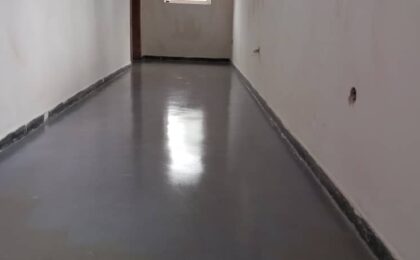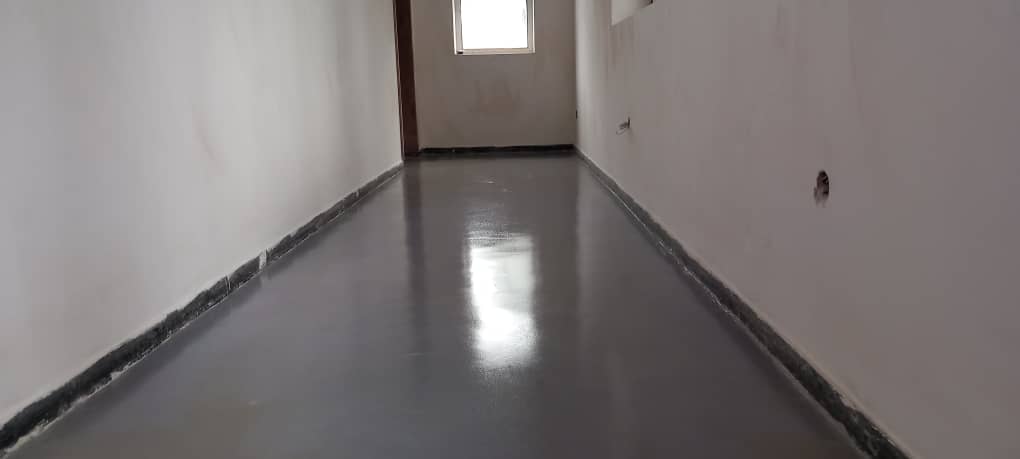
Epoxy flooring has emerged as a durable, hygienic, and corrosion-resistant solution for industrial and commercial settings in Uganda. With growing demand across sectors—from manufacturing plants and warehouses to hospitals and public infrastructure—Epoxy Flooring in Uganda offers both functional performance and long-term cost-efficiency.
What Is Epoxy Flooring?
Epoxy flooring is created by mixing resin with a hardener to form a rigid plastic material that bonds strongly to concrete. This produces a seamless, hard-wearing surface capable of withstanding significant stress. In Uganda, epoxy systems are frequently used in environments where mechanical loads, chemical spills, and constant cleaning are part of daily operations.
Why Choose Epoxy Flooring in Uganda
The appeal of epoxy flooring lies in its combination of strength, resistance, and hygiene. Once cured, the coating forms a solid surface that resists heavy traffic, making it suitable for industrial zones and loading bays. Its chemical resistance ensures protection against fuels, acids, and cleaning solvents, while its non-porous surface simplifies cleaning and prevents bacterial growth—an essential factor for healthcare and food processing environments. While the initial investment may be higher than some traditional floor finishes, the long lifespan and minimal maintenance requirements deliver excellent value over time.
Technical Considerations for Installing Epoxy Flooring in Uganda
Surface Preparation
- Clean and degrease the substrate
- Mechanically profile concrete using shot blasting or diamond grinding
- Allow substrate to reach acceptable moisture levels (relative humidity < 4% if moisture testing is possible)
Climate Constraints
Uganda’s humid climate can extend curing times or introduce moisture-related adhesion issues. Use moisture-tolerant primers and monitor relative humidity carefully during application.
Layering System
- Primer coat: Enhances adhesion and seals concrete pores
- Basecoat layer: The main resin/hardener matrix for functionality
- Broadcast layer (optional): Adds texture or anti-slip properties
- Topcoat: UV-stable, chemical-resistant finish for extended protection
Expansion Joints
In larger surface areas, integrate expansion control joints to manage substrate movement and prevent surface cracking.
Choosing the Right Contractor for Epoxy Flooring in Uganda
A successful epoxy flooring project relies heavily on the skill and experience of the installation team. Contractors should have proven expertise with epoxy systems in Uganda’s climate, as well as access to proper surface preparation equipment. Requesting references or case studies from similar projects is a good way to gauge reliability. It is also advisable to confirm that moisture and substrate integrity testing will be conducted before work begins.
Applications of Epoxy Flooring in Uganda
- Manufacturing Plants & Warehouses
Withstand forklift traffic, heavy pallet racking, and regular material movement. - Food & Beverage Processing
Provide resistance to acids, cookware detergents, and hot washdowns while maintaining hygienic integrity. - Hospitals & Pharmaceutical Labs
Non-porous surfaces facilitate sterilization and impede microbial infiltration. - Public Infrastructure & Showrooms
Deliver aesthetic, easy-clean finishes for high footfall environments.
Epoxy Flooring in Uganda presents a smart, long-term solution for industrial, healthcare, and commercial facilities requiring durable, hygienic, and chemical-resistant concrete coatings. With proper installation and maintenance tailored to local climatic conditions, it can offer exceptional performance, safety, and cost-efficiency.